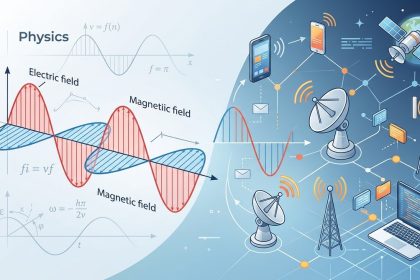
Applied science

Related:
Aerospace, Aerospace engineering, Agricultural engineering, Ammunition, Applied Engineering, Applied Mathematics, Applied physics, Applied science, Archaeology, Architectural engineering, Artificial intelligence, Audio engineering, Automotive engineering, Biochemical engineering, Bioinformatics, Biological engineering, Biomedical engineering, Biotechnology, Bomb, Broadcast engineering, Building officials, Business informatics, Ceramic engineering, Chemical engineering, Cheminformatics, Civil engineering, Communication technology, Computational finance, Computer engineering, Computer science, Computing, Computing technology, Construction, Construction engineering, Control engineering, Cryogenics, Domestic technology, Educational technology, Electrical engineering, Electronic engineering, Electronics, Energy, Energy storage, Engineering, Engineering Technology, Engineering geology, Engineering physics, Engineering technician, Engineering technology, Enterprise engineering, Entertainment Engineering, Environmental Engineering Science, Environmental engineering, Environmental technology, Fire protection engineering, Fisheries science, Fishing industry, Food engineering, Food technology, Forestry, Genetic engineering, Graphics, Health, Health science, Home, Hydraulics, Industrial engineering, Industrial technology, Industry, Information, Information technology, Machine, Major appliance, Manufacturing, Marine engineering, Materials engineering, Materials science, Materials science and engineering, Mechanical engineering, Mechatronics, Medical technology, Metallurgical engineering, Microtechnology, Military, Military communications, Military engineering, Military technology, Military technology and equipment, Mining, Mining engineering, Motor vehicle, Music technology, Nanotechnology, Naval architecture, Naval engineering, Network engineering, Nuclear engineering, Nuclear technology, Nutrition, Ocean engineering, Ontology engineering, Optical engineering, Optics, Particle physics, Petroleum engineering, Pharmacology, RF engineering, Research and development, Safety, Safety engineering, Sanitary engineering, Science, Software Engineering, Software engineering, Space technology, Speech recognition, Structural engineering, Systematics, Systems engineering, Technology, Telecommunications engineering, Textile engineering, Tissue engineering, Traffic engineering (transportation), Transport, Transport engineering, Visual technology, Zoography,

Applied science is the application of scientific knowledge transferred into a physical environment. Examples include testing a theoretical model through the use of formal science, or solving a practical problem through the use of natural science.

Fields of engineering are closely related to applied sciences. Applied science is important for technology development. Its use in industrial settings is usually referred to as research and development (R&D).

Contents

  • 1 Disciplines
    • 1.1 Applied Engineering
    • 1.2 Applied Mathematics
    • 1.3 Applied Physics
    • 1.4 Archaeology
    • 1.5 Artificial intelligence
    • 1.6 Computer Science
    • 1.7 Ceramic engineering
    • 1.8 Computing technology
    • 1.9 Electronics
    • 1.10 Energy
    • 1.11 Energy storage
    • 1.12 Environmental Engineering Science
    • 1.13 Engineering physics
    • 1.14 Engineering Technology
    • 1.15 Environmental technology
    • 1.16 Fisheries science
    • 1.17 Forestry science
    • 1.18 Materials science and engineering
    • 1.19 Microtechnology
    • 1.20 Nanotechnology
    • 1.21 Nuclear technology
    • 1.22 Optics
    • 1.23 Software engineering
    • 1.24 Zoography
  • 2 See also

Disciplines

Applied Engineering

Applied Mathematics

Applied Physics

Archaeology

Artificial intelligence

Computer Science

Ceramic engineering

Computing technology

Electronics

Energy

Energy storage

Environmental Engineering Science

Engineering physics

Engineering Technology

Environmental technology

Fisheries science

Forestry science

Materials science and engineering

Microtechnology

Nanotechnology

Nuclear technology

Optics

Software engineering

Zoography

See also

Science portal


Additional info - part 2
Applied Mathematics
Applied mathematics is a branch of mathematics that concerns itself with the mathematical techniques typically used in the application of mathematical knowledge to other domains.
Applied physics
Applied physics is a general term for physics which is intended for a particular technological or practical use. "Applied" is distinguished from "pure" by a subtle combination of factors such as the motivation and attitude of researchers and the nature of the relationship to the technology or science that may be affected by the work.[1] It usually differs from engineering in that an applied physicist may not be designing something in particular, but rather is using physics or conducting physics research with the aim of developing new technologies or solving an engineering problem. This approach is similar to that of applied mathematics. In other words, applied physics is rooted in the fundamental truths and basic concepts of the physical sciences but is concerned with the utilization of these scientific principles in practical devices and systems. Applied physicists can also be interested in the use of physics for scientific research. For instance, people working on accelerator physics seek to build better accelerators for research in theoretical physics.
Archaeology
Archaeology (sometimes written archæology) or archeology (from Greek ἀρχαιολογία, archaiologia – ἀρχαῖος, arkhaīos, "ancient"; and -λογία, -logiā, "-logy") is the science and humanity[1] that studies historical human cultures through the recovery, documentation, analysis, and interpretation of material culture and environmental data, including architecture, artifacts, biofacts, and landscapes. Archaeology aims to understand humankind through these humanistic endeavors.[1] In the United States the field is commonly considered to be a subset of anthropology, along with physical anthropology, cultural anthropology, and linguistic anthropology,[2] whilst in British and European universities, archaeology is considered as a separate discipline.
Architectural engineering
Architectural engineering, also known as Building engineering, is the application of engineering principles and technology to building design and construction. Definitions of an architectural engineer may refer to:
Artificial intelligence
Artificial intelligence (AI) is the intelligence of machines and the branch of computer science that aims to create it. Textbooks define the field as "the study and design of intelligent agents,"[1] where an intelligent agent is a system that perceives its environment and takes actions that maximize its chances of success.[2] John McCarthy, who coined the term in 1956,[3] defines it as "the science and engineering of making intelligent machines."[4]
Audio engineering
Audio engineering is a part of audio science dealing with the recording and reproduction of sound through mechanical and electronic means. The field draws on many disciplines, including electrical engineering, acoustics, psychoacoustics, and music. Unlike acoustical engineering, audio engineering does not deal with noise control or acoustical design. An audio engineer is closer to the creative and technical aspects of audio rather than formal engineering. An audio engineer must be proficient with different types of recording media, such as analog tape, digital multitrack recorders and workstations, and computer knowledge. With the advent of the digital age, it is becoming more and more important for the audio engineer to be versed in the understanding of software and hardware integration from synchronization to analog to digital transfers.
Automotive engineering
Modern automotive engineering is a branch of vehicle engineering, incorporating elements of mechanical, electrical, electronic, software and safety engineering as applied to the design, manufacture and operation of motorcycles, automobiles, buses and trucks and their respective engineering subsystems.
Biochemical engineering
Biochemical engineering is a branch of chemical engineering or biological engineering that mainly deals with the design and construction of unit processes that involve biological organisms or molecules, such as bioreactors. Biochemical engineering is often taught as a supplementary option to chemical engineering or biological engineering due to the similarities in both the background subject curriculum and problem-solving techniques used by both professions. Its applications are used in the food, feed, pharmaceutical, biotechnology, and water treatment industries.
^ page up ^

       Page is a mirror of - Applied science from Wikipedia (licence GFDL, CC-BY-SA 3.0, authors, history, edit this page)